Fridge running warm? Walk through these common causes—from dirty coils to a bad door seal—before you call for repair.
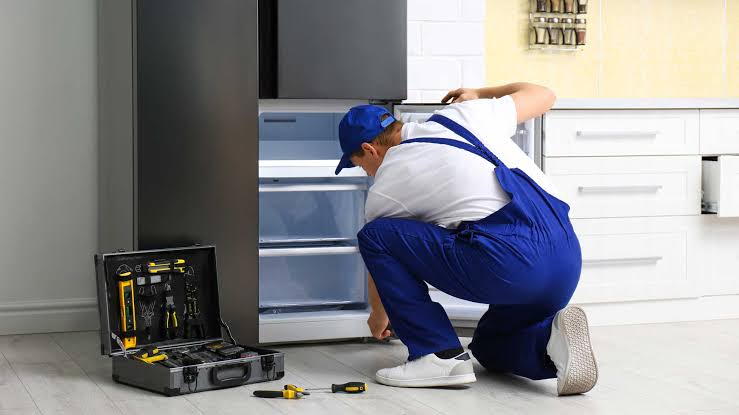
A refrigerator that's not cooling is one of those problems that feels urgent the moment you notice it—because every minute counts before food starts to spoil. The good news is that a lot of the common causes are things you can check yourself in a few minutes, and some you can even fix without tools. Let's walk through what's likely going on.
Before you assume the worst, rule out the simple stuff:
The condenser coils (usually located behind or underneath the fridge) release heat as part of the cooling cycle. When they're coated in dust, pet hair, and grime, the fridge has to work much harder—and sometimes can't cool properly at all.
This is honestly one of the most common causes of cooling problems, and it's something homeowners can tackle in about 15 minutes.
If warm air keeps leaking in, the compressor runs constantly but never catches up. Check the rubber gasket around the door for cracks, tears, or food gunk that's keeping it from sealing.
A quick test: close the door on a piece of paper or a dollar bill. If you can pull it out easily, the seal may be too loose and need replacing.
An overstuffed fridge blocks air vents and prevents cold air from circulating. On the flip side, a nearly empty fridge has less thermal mass to hold a steady temperature. Try to keep items spaced so air can flow, especially around the back wall where the vents usually are.
Refrigerators move cold air from the freezer into the fridge compartment through internal vents. If a large container or food item is pressed up against one of these vents, that section of the fridge won't cool evenly—or at all.
These fans circulate air across the coils and through the compartments. If you hear no fan noise when the compressor is running, or you hear a loud grinding or clicking sound, a fan motor may be failing. This usually isn't a DIY fix, but it's a relatively affordable one for a technician.
If you hear the fridge clicking repeatedly but it never settles into a steady hum, the compressor might be trying to start and failing. This often points to a bad start relay, which sits on the side of the compressor. It's a small, inexpensive part, but testing and replacing it correctly takes some electrical know-how.
This is the big one that typically requires a professional. If the compressor runs fine, the fans spin, and the coils are clean, but the fridge still isn't cooling, there may be a refrigerant leak somewhere in the sealed system. This requires specialized tools to diagnose and repair, and it's not a weekend project.
The compressor is essentially the heart of the fridge. If it's not running at all—no hum, no vibration, nothing—and you've confirmed power is reaching the unit, the compressor may have burned out. Depending on the age of the fridge, this might be the point where replacing the unit makes more financial sense than repairing it.
Keep the doors closed as much as possible. A full freezer can typically keep food safely frozen for about 24-48 hours without power, and a refrigerator will generally keep food safely cold for a few hours. If you're not sure how long food has been above 40°F, when in doubt, throw it out.
DIY fixes like cleaning coils or clearing vents are worth trying first. But if you've gone through this list and the fridge still isn't cooling, or if you hear unusual noises, smell anything burning, or see water pooling underneath, it's time to call in a professional. Refrigeration systems involve pressurized refrigerant and electrical components that aren't safe or practical to troubleshoot without the right training and tools.
Catching the problem early—before food spoils repeatedly or the compressor suffers further damage—can save you money and a lot of frustration in the long run.